Common Issues Specific To Sanford, FL
Homes and businesses near Lake Monroe and the St. Johns River often face high humidity, wind-driven rain, and seasonal storm surges. Older bungalows may have galvanized or cast-iron lines that develop pinhole leaks, while newer slab-on-grade homes can experience slab leaks from pressure or vibration. Irrigation lines also frequent culprits due to long pipe runs and shifting soils.
- Unexplained water bill increases or meter movement when fixtures are off.
- Warm or damp spots on floors suggesting a slab or radiant line issue.
- Mildew odors, peeling paint, or swollen baseboards pointing to hidden moisture.
- Air conditioner condensate drain backups adding moisture inside walls.
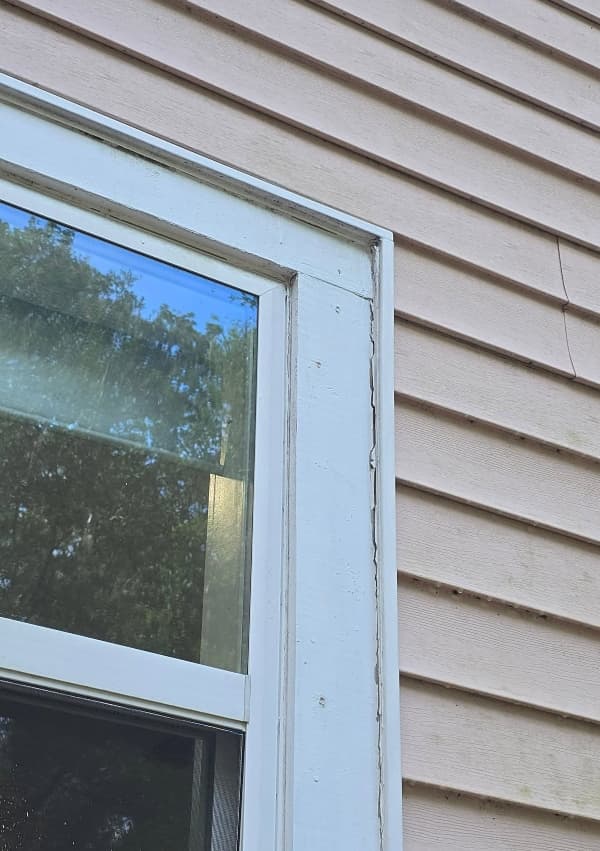
Local Tip: Afternoon storms around Lake Monroe can drive rain into roof and wall assemblies. Check your irrigation schedule, inspect hose bibs, and test your main shutoff quarterly. Early checks reduce moisture buildup and mold risk in our humid climate.
Sanford Leak Detection Services We Offer
Our team tailors every investigation to your property type, construction, and symptoms. Below are our core offerings for Sanford homes and facilities.
Leak detection
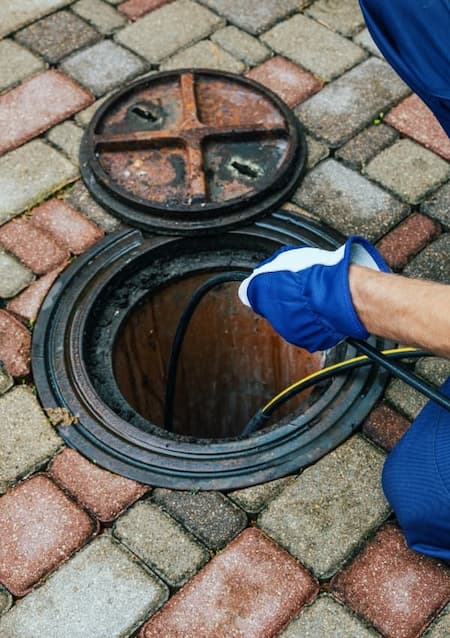
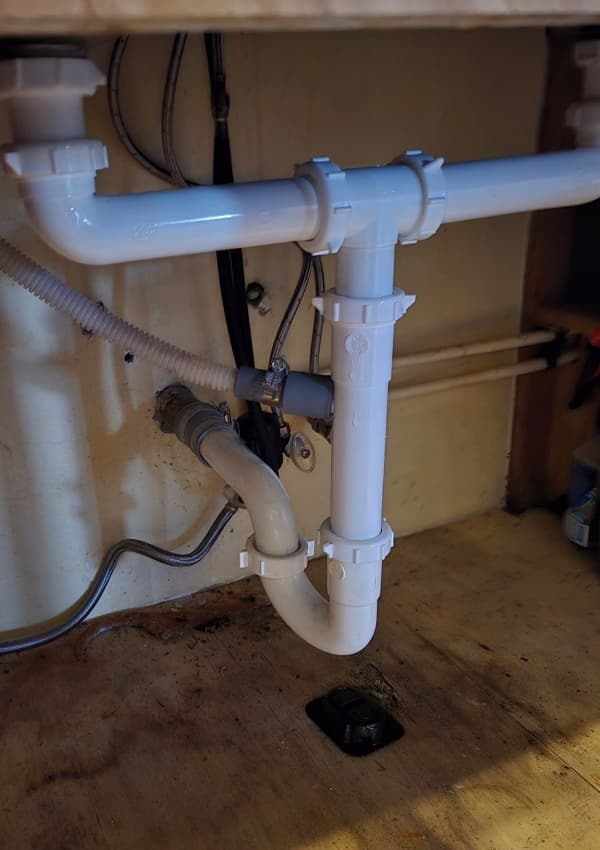
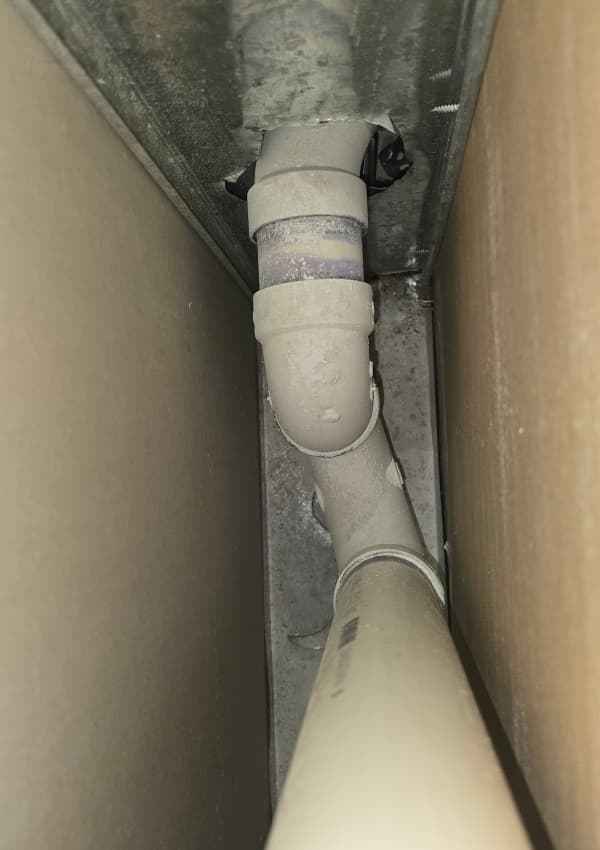
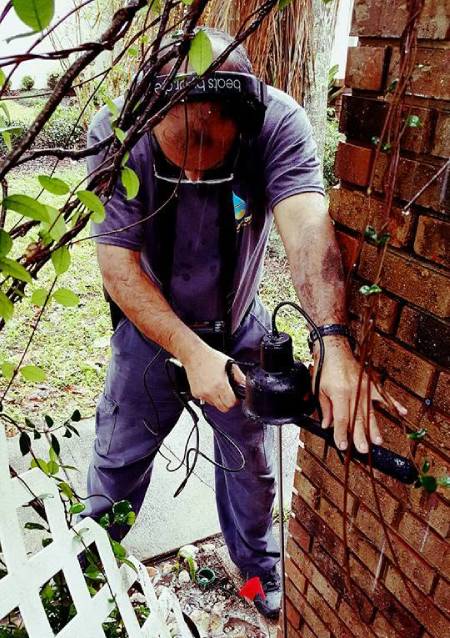
Our standard leak detection isolates supply, drain, slab, and fixture leaks using acoustic listening, pressure testing, and targeted access points. The goal is to find the source quickly and minimize disturbance to finishes while giving you a clear plan for repair.
Water leak detection
When water lines are the suspect, we combine line tracing with meter analysis and segment pressure tests. This approach narrows down long pipe runs common in Sanford subdivisions and reduces unnecessary demolition.
Thermal imaging
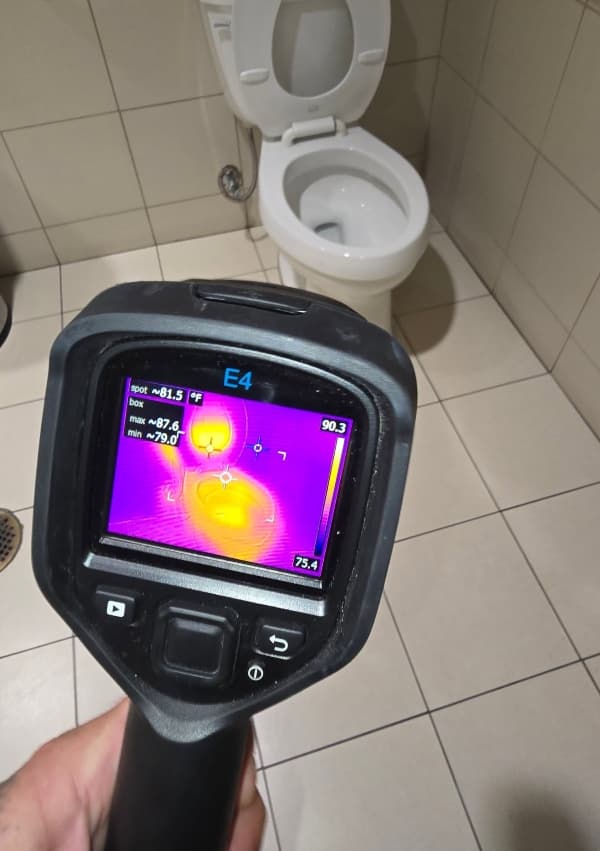
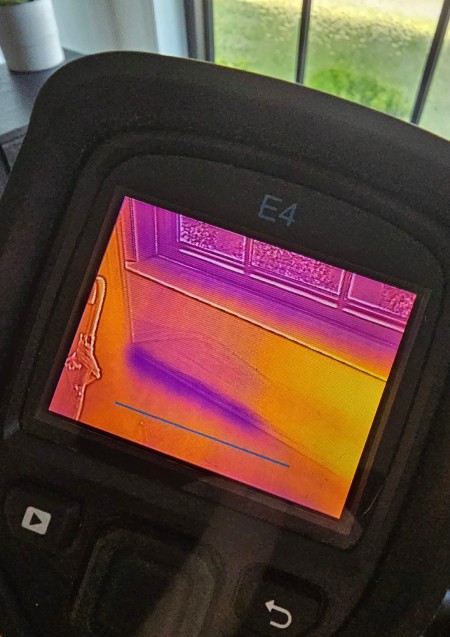
Thermal imaging reveals temperature patterns that point to moisture migration, missing insulation, or active leaks behind walls and ceilings. We capture annotated images so you and your contractor can see exactly where to open and fix.
Moisture detection & control
Our moisture detection & control service maps elevated readings with pro-grade meters, then recommends ventilation, drainage, or dehumidification steps. This helps prevent repeat damage and mold growth after the repair is complete.