Why Early Detection Protects Your Home And Wallet
Small, unseen leaks turn into big problems. Water moves fast through drywall, subfloors, and insulation, leaving behind swelling, stains, and a musty odor that signals mold growth. The longer moisture lingers, the more likely you are to face damaged finishes, warped flooring, and compromised cabinetry. Elevated water bills and constant cycling of your well pump or water heater add hidden costs, too.
Spotting the source without the right tools is difficult. Pipes run under slabs, inside walls, and through tight chases where a guess can lead to unnecessary demolition. Professional testing confirms whether the leak is on the supply line, a fixture, or a hidden run beneath the floor. With verified data, repair is targeted, faster, and typically less invasive. Choosing expert leak location now helps you avoid repeat visits, protects indoor air quality, and reduces the chance of secondary issues like mold remediation later.
Our Step-By-Step Water Loss Investigation
Your appointment starts with a quick conversation about symptoms: when you hear water, which fixtures were used, and any visible moisture or warm spots on floors. From there, our technicians follow a proven diagnostic path that narrows down the leak without guesswork.
- Meter and Pressure Checks: We verify if water is moving when all fixtures are off and run safe pressure tests to confirm a line is failing.
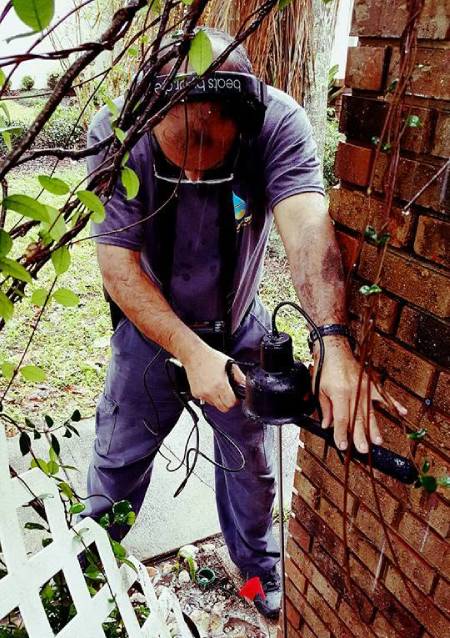
- Acoustic Correlation: Sensitive listening devices pinpoint vibration and flow sounds from pressurized supply lines, even through concrete.
- Thermal Imaging: Infrared cameras visualize temperature differences that reveal hot water slab leaks or cold plumes from chilled lines.
- Moisture Mapping: Non-invasive meters measure humidity and saturation patterns to track migration paths behind finishes.
- Tracer and Dye Tests: Where needed, we introduce safe dyes to isolate fixture or drain issues and confirm the route.
- Video Inspection: A tiny camera reveals cracks, offsets, or root intrusion in accessible lines to verify the exact failure point.
Throughout the visit, we protect finishes and keep you informed. We share clear next steps for repair, including temporary shutoff guidance. To help prevent new problems, we also review simple habits like setting your pressure regulator correctly, insulating exposed lines, and checking irrigation schedules so outdoor zones do not mask indoor water loss.