
Rain Can Conceal Plumbing Leaks
Can Orlando's Summer Rainstorms Make Hidden Plumbing Leaks Harder to Detect?
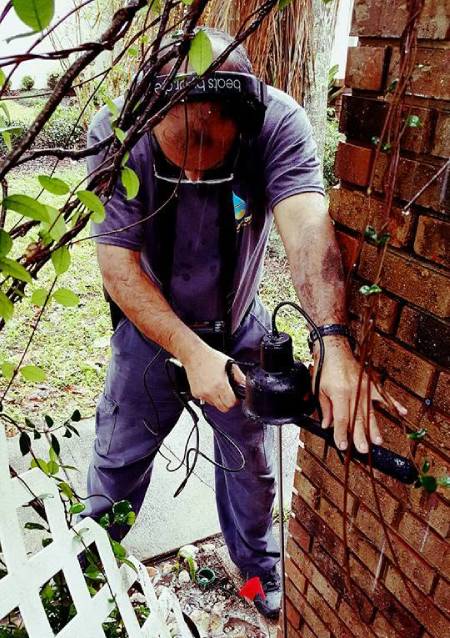
Short answer: yes. Orlando's daily summer thunderstorms soak yards, fill swales, and push the water table higher. When soil is saturated, stormwater can pool on the surface or creep along foundations in ways that look a lot like a plumbing failure. That is why homeowners often wonder if a puddle or damp spot is from rain runoff or a hidden leak in a supply line under the slab.
If you are seeing stubborn moisture spots after the skies clear, an experienced team can help separate weather effects from true leaks. You can learn how pros approach this on our leak detection service page and by reviewing the signs below. For fast help, call Orlando Leak Detection at 407-618-3665.
Why Orlando's Summer Rain Can Hide Plumbing Leaks
Central Florida gets frequent, heavy downpours from June through September. Those quick bursts send roof runoff into downspouts, swales, and storm drains, then saturate sandy soils. Sand drains fast at first, but when the subsurface is already wet, water lingers. That standing moisture can make a real plumbing leak much harder to spot from the surface.
Several local conditions add to the challenge:
- Flat lots in neighborhoods like Lake Nona, Conway, and Baldwin Park can trap water near slabs after heavy rain.
- High groundwater around lakes and canals limits how fast yards can dry, even on sunny days.
- Older slab-on-grade homes in College Park or Delaney Park may wick moisture through hairline cracks that look like a leak even when it is stormwater.
When rain masks surface evidence, leak detection relies less on what you see, and more on what trained instruments and controlled tests reveal underground.
How Pros Tell Stormwater From A Plumbing Leak
Pros do not guess. They use a step-by-step process designed to remove weather from the equation. Here are tools and methods technicians rely on in Orlando homes:
- Acoustic listening gear and correlators that pick up the unique sound of pressurized water escaping a pipe under a slab.
- Thermal imaging to map subtle temperature changes that point to active leaks, even when the surface looks uniform after rain.
- Static pressure and isolation testing that segments the plumbing system to confirm or rule out specific lines.
- Tracer gas or safe dye methods for targeted systems like pool lines when runoff is confusing the picture.
- Moisture mapping in walls and floors to find consistent wet zones that do not match normal rain patterns.
During wet weeks, timing matters. Technicians often schedule tests after a short dry window so ambient moisture does not overwhelm the readings. They also compare findings from multiple tools to cross-verify results before making recommendations.
What "Saturated Ground" Really Does To Leak Clues
The problem is not just puddles. Saturated soil changes how leak signals travel and how surfaces behave:
Saturated ground can suppress leak noise because escaping water disperses into already-wet soil. That muffles the acoustic signature that equipment listens for. It can also spread moisture laterally under slabs, so a wet spot appears feet away from the true leak source. Finally, stormwater can hide telltale signs like warm-floor spots from hot-line leaks because the whole surface cools evenly after rain.
Experienced Orlando leak specialists account for these effects. They adjust instrument sensitivity, verify pressure conditions, and repeat tests over short intervals as the site dries. The goal is a confident diagnosis that does not confuse yesterday's storm with today's plumbing reality.
Real-World Patterns Technicians Look For
While every home is unique, pros watch for patterns that hold true across neighborhoods from Dr. Phillips to Hunters Creek:
Rain-Driven Patterns:
- Water appears in predictable low spots, along swales, or near downspout discharge points.
- Moisture fades steadily after 24 to 48 hours of dry weather.
- Dampness is uniform and not warmer or cooler than surroundings.
Leak-Driven Patterns:
- Moisture persists in a confined area or slowly grows across clear-weather days.
- Thermal camera shows a defined warm or cool plume, often crossing grout lines or slab joints.
- Isolated pressure segments register a drop that repeats under controlled conditions.
These patterns, paired with instrument data, give a reliable answer even in Orlando's wet season.
Why Scheduling Professional Leak Detection Is A Smart Investment
Waiting for weeks of perfect weather is not realistic in Central Florida. And letting moisture linger has consequences. Hidden leaks can undermine slabs, fuel mold growth behind finishes, and raise utility bills. Clean, accurate testing now is far cheaper and less disruptive than chasing water damage later. It also helps you avoid unnecessary digging by confirming the exact location and scope before any repair.
Professionals document findings with photos, moisture maps, and test results you can share with your repair contractor or insurer. That saves time, reduces guesswork, and helps keep the project controlled.
To understand the process we follow, you can also review the overview on our leak detection service page. It explains how Orlando Leak Detection isolates lines, compares instrument readings, and pinpoints the source before any repair is planned.
When To Book An Inspection In Orlando, FL
Not sure if it is time to call? In our climate, these situations justify a professional inspection without delay:
- Moisture that reappears in the same spot after at least one full day of dry weather.
- Warm or cool floor areas in one room while the rest of the slab feels normal.
- Musty odors near baseboards or cabinets after storms have passed.
- Water meter usage that seems unusual compared to the past month's pattern.
- Pooling along the foundation that remains even when downspouts and drains are clear.
Each of these signals can be explained by rain, plumbing, or both. A focused evaluation removes the guesswork so you can move forward with confidence.
What To Expect During A Professional Visit
Once you schedule an appointment, here is how a typical visit unfolds in the Orlando area:
First, the technician asks about what you are seeing and when it happens. Then they walk the property to understand drainage, landscaping, and stormwater paths. Next comes instrument testing tailored to your home's plumbing layout and finishes. Results are explained in plain language, with recommended next steps.
If a leak is confirmed, you get a clear location map and options for minimally invasive access. If results are inconclusive due to very recent storms, you will get a short recheck plan so you are not left wondering.
Orlando Neighborhoods And Site Conditions
Local context matters. Newer developments in Lake Nona, Vista East, or Horizons West often have efficient drainage but long irrigation runs under wide driveways. Established areas like College Park or Winter Park may have older supply lines under thicker slabs and mature landscaping that affects surface drying. Homes around Baldwin Park and the Conway Chain of Lakes sit near water, which can slow drying after big storms.
An experienced crew factors in these site details. They match tools and timing to your lot so stormwater is filtered out and only true plumbing problems remain on the report.
How This Protects Your Home And Budget
Confirmed answers guide smart decisions. Precise leak detection means contractors open smaller sections of slab or soil, which helps protect floors, cabinets, and landscaping. It also reduces the chance of repeat work, because the repair targets the verified problem rather than a best guess.
Do not rely on a recent storm as the explanation for days of wet soil right against the foundation. Stormwater should recede on a normal schedule. If it does not, the fastest way to protect your slab and indoor air is to schedule testing.
For a quick overview of services in your area, see our city page for Orlando, FL. If you want a broader look at everything we offer, visit Orlando Leak Detection on our home page and explore related services from there.
Why Storms Plus Leaks Can Look So Similar
It helps to understand how water behaves around a slab. Concrete has pores. Water moves through the path of least resistance, including expansion joints, utility penetrations, and small cracks. After rain, those pathways can carry clean stormwater to the same places a pressurized line would wet. That is why surface clues alone are not enough in summer.
Technicians make the call by removing variables. They isolate plumbing zones, stabilize pressure, and run cross-checks with two or more tools. When both the acoustic profile and pressure data point to the same spot, weather becomes a background factor instead of a source of confusion.
Next Steps If You Keep Seeing Moisture
If damp areas keep returning between storms, it is time for action. Protect your slab and finishes by addressing persistent moisture within 48 hours of noticing it. Quick scheduling prevents minor issues from becoming structural problems or indoor air concerns.
When you are ready to move forward, Orlando Leak Detection is here to help Orlando homeowners get clear answers fast. We provide documented findings you can rely on before any repair begins.
Need trusted Orlando leak detection? Call Orlando Leak Detection at 407-618-3665 to schedule now.
If you prefer to start online, learn more about our process and testing approach on our leak detection page. When you are comparing options, remember that accurate diagnosis limits disruption and helps you restore your home with confidence.
Serving the greater Orlando, FL area, our team understands local rain patterns, soils, and slab construction. That knowledge, paired with professional testing, is the quickest path to a reliable answer in the heart of summer.
Leak Detection Services
Window Leak Detection
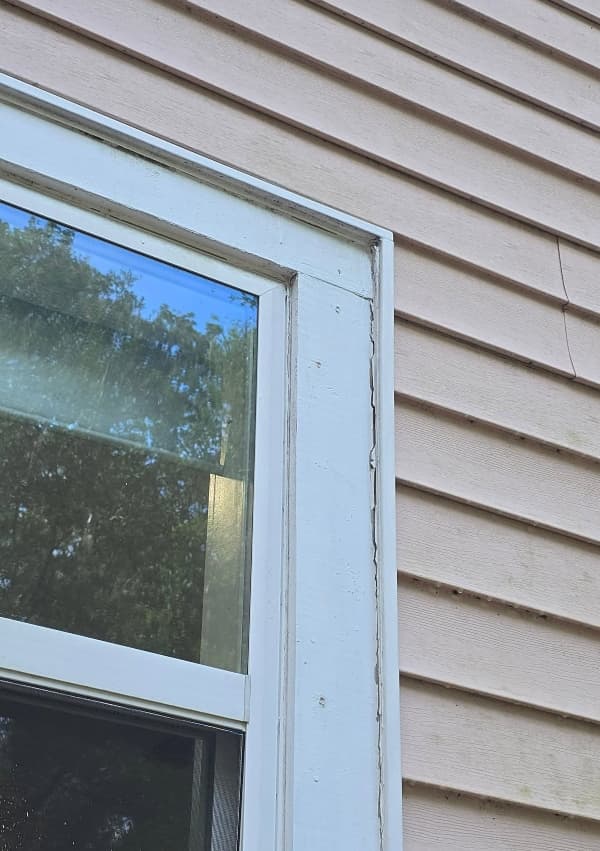
Window leaks can allow water to enter your home, causing moisture damage, mold growth, and structural concerns. Orlando Leak Detection provides professional window leak detection to identify the source of water intrusion and recommend effective solutions. Our team uses advanced tools to locate hidden leaks and help protect your property.
Plumbing Leak Detection
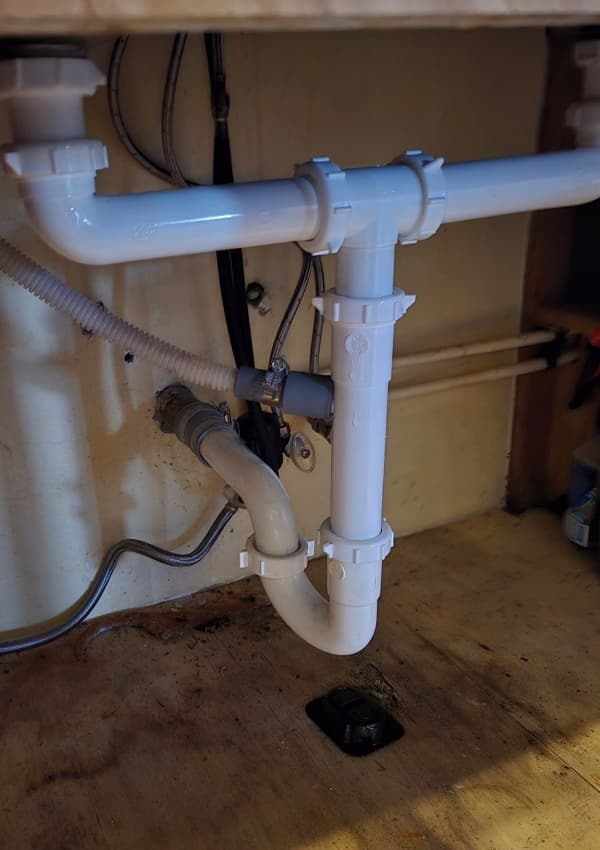
Hidden plumbing leaks can waste water and create costly damage if left untreated. Orlando Leak Detection offers plumbing leak detection services to locate leaks behind walls, beneath floors, and within plumbing systems. Our experienced technicians use reliable methods to find problems quickly and provide accurate recommendations for repairs.
Roof Leak Detection
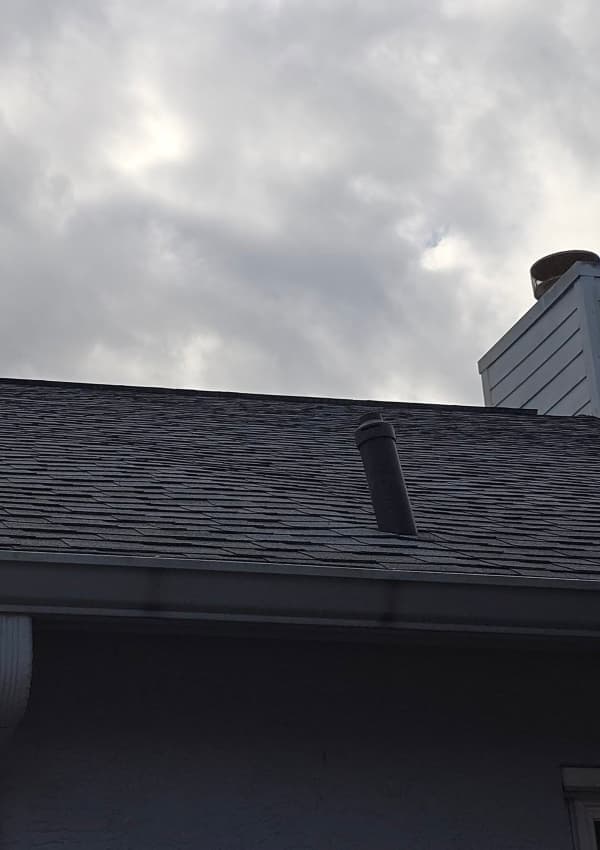
Roof leaks can lead to water damage, damaged insulation, and interior repairs if they are not addressed quickly. Orlando Leak Detection provides roof leak detection services to identify areas where moisture may be entering your property. We carefully inspect roofing systems to help locate leaks and prevent further damage.
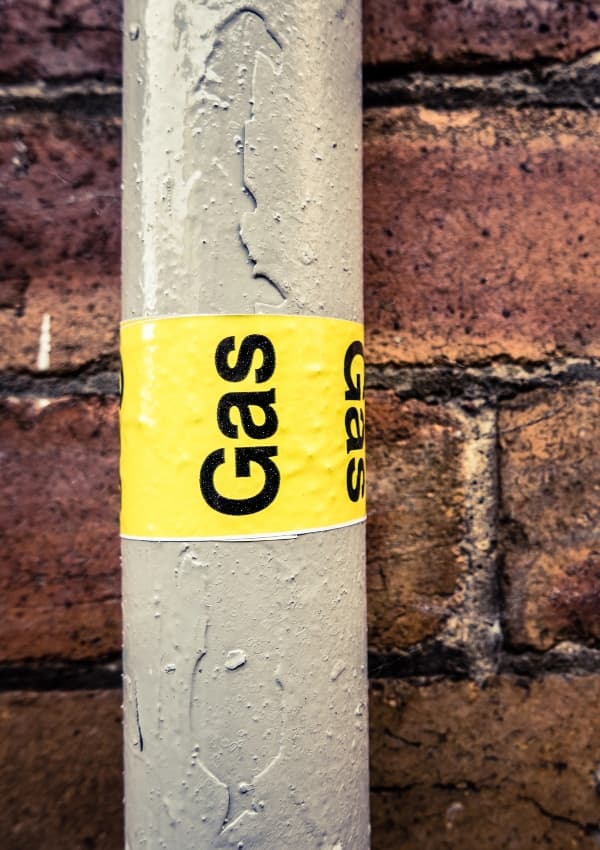
Gas Leak Detection
Gas leaks require immediate attention to help protect your home, business, and everyone inside. Orlando Leak Detection provides professional gas leak detection services to identify potential issues and help maintain a safer environment. Our technicians use careful inspection methods to locate concerns and provide dependable recommendations when problems are discovered.

Complete Services
Thermal Imaging
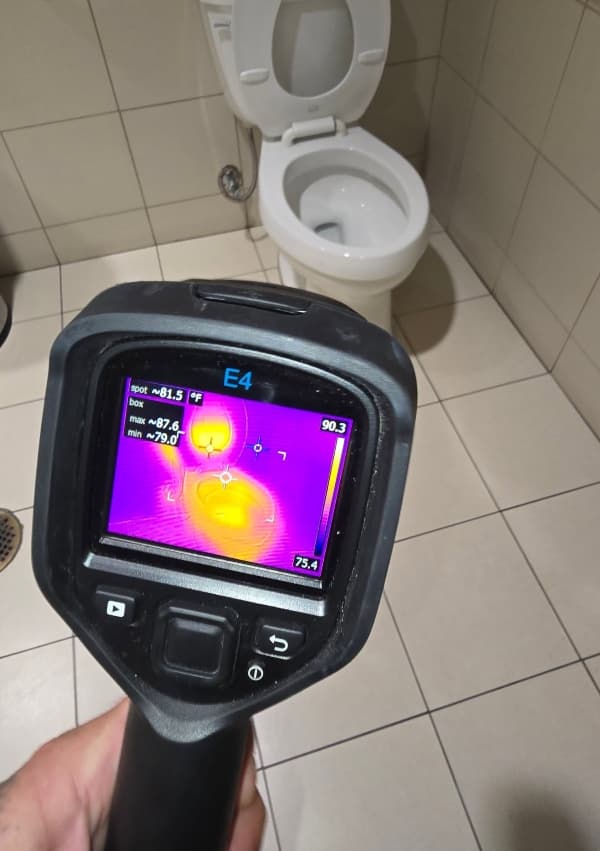
Thermal imaging is an advanced technology used to identify temperature differences that may indicate hidden moisture or leaks. Orlando Leak Detection uses thermal imaging as part of our inspection process to locate problem areas without unnecessary damage. This non-invasive method helps improve accuracy when detecting hidden water issues.
Sewer Camera Inspection
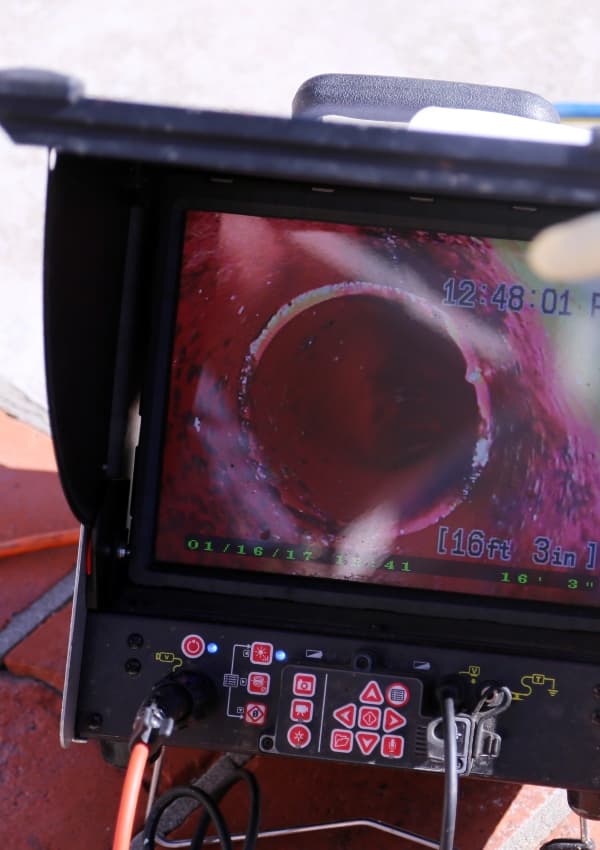
Sewer camera inspection allows technicians to view inside underground pipes and identify blockages, damage, or other issues. Orlando Leak Detection uses specialized camera equipment to inspect sewer lines and provide clear information about their condition. This technology helps determine the right solution while reducing unnecessary digging or disruption.
Hydro Jetting
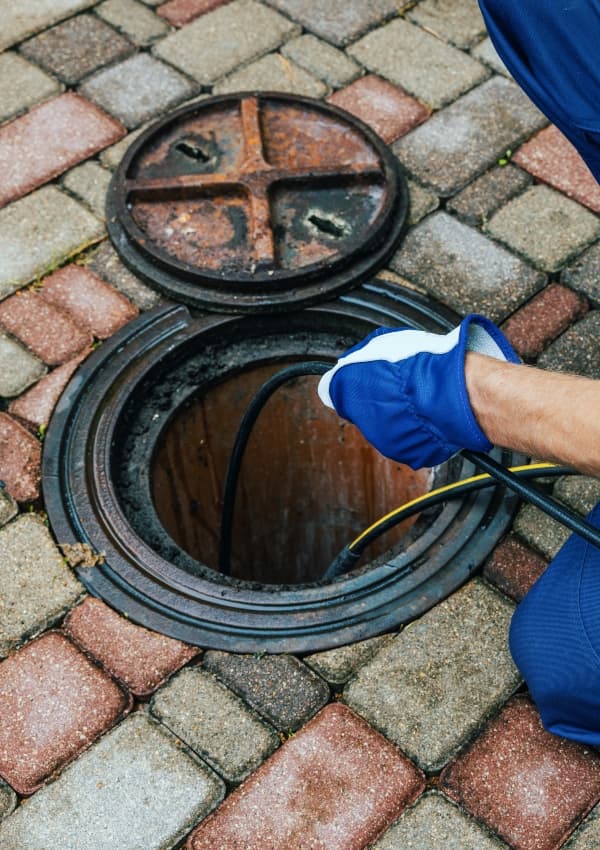
Hydro jetting is a powerful cleaning method that uses high-pressure water to remove buildup, debris, and stubborn blockages from pipes. Orlando Leak Detection provides hydro jetting services to help improve drainage and maintain plumbing system performance. This effective solution can help restore flow and prevent recurring plumbing issues.
Mold Detection
Hidden leaks often create moisture conditions that encourage mold growth. Orlando Leak Detection provides mold detection services to help identify areas where mold may be developing due to water intrusion. Our team carefully evaluates potential problem areas and helps customers understand the next steps needed to protect their property.
How Can We Help?
Need Leak Detection Fast?
Call Orlando's Trusted Experts 24/7