Finding Hidden Water Leaks With Thermal Imaging
How Thermal Imaging Helps Find Hidden Water Leaks Without Tearing Into Your Home
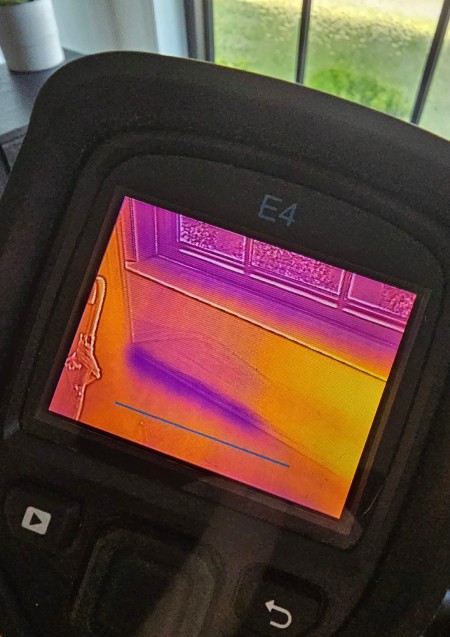
Hidden water leaks can quietly damage framing, floors, and finishes. Thermal imaging leak detection gives your technician a fast and non-invasive way to spot where moisture is hiding so targeted repairs can begin. By reading surface temperature patterns created by evaporative cooling or warm water movement, an infrared camera helps find trouble areas without opening walls or pulling up flooring across your home.
How Thermal Imaging Leak Detection Works
Every surface gives off infrared energy. A thermal camera captures that energy and converts it into a color picture that shows temperature differences. When water escapes a pipe or roof penetration, it changes the temperature of nearby building materials. Evaporation often cools the surface, while a hot water line can warm it. The result is a distinct pattern that stands out from dry surroundings.
Technicians watch for shapes that match how water actually travels. Moisture follows gravity, framing, grout lines, and seams. It can wick sideways through drywall paper and along baseboards. The camera reveals these patterns quickly, which helps your Orlando leak detection pro decide where to test further with a moisture meter or where to open a small inspection point if needed.
Thermal imaging does not see through walls; it reads temperature patterns on the surface that point to what is happening inside. Paired with moisture meters and building knowledge, it becomes a powerful map that guides precise repair decisions.
Why Thermal Imaging Reduces Unnecessary Damage
Old-school leak hunting can mean cutting multiple holes or removing large sections of floor and trim. Infrared scanning changes that approach. Because the camera highlights cooler or warmer areas linked to moisture, your technician can narrow the search to the smallest practical area. That means less dust, less disruption, and fewer materials to patch when the repair is complete.
Thermal imaging also helps confirm that a suspected leak is active. If the pattern changes during a controlled water run or after a short wait, it strengthens the diagnosis. If it does not, your pro may shift focus to another area before any opening is made. Accurate targeting saves time and preserves finishes you care about.
Common Hidden Leak Locations In A Typical Home
Not every leak is obvious. Some hide in places that only reveal themselves as stains or buckling weeks later. Thermal imaging brings these areas into focus sooner:
- Second-floor bathrooms above kitchens or living rooms, where shower pans or toilet rings may seep
- Under cabinets and vanities where supply lines or traps can weep slowly
- Around window and door openings after wind-driven rain
- Behind refrigerators with icemakers and under dishwashers
- At ceiling penetrations beneath a roof, especially around chimneys and skylights
- Along baseboards where pinhole pipe leaks travel behind paint
- In crawlspaces and basements where condensation or pipe leaks cool the subfloor
Moisture often spreads sideways along framing before it shows on the paint or flooring you see every day. A thermal camera helps follow that path so the true source can be fixed, not just the symptom.
Interpreting Infrared Images The Right Way
Reading thermographic images takes training. Many things can create a hot or cold spot that is not a leak. Sunlight warming an exterior wall, a supply register blowing cool air, or a recently used appliance can all change surface temperatures. That is why qualified leak detection techs confirm suspicious patterns with a moisture meter and building-assembly knowledge before recommending any opening.
Conditions matter too. A stronger temperature difference between wet and dry materials produces clearer images. Skilled pros plan scans when conditions help reveal moisture. For example, a morning scan after an overnight cool-down may highlight evaporative cooling on a ceiling, while a short run of hot water can help trace a warm supply line beneath tile. The goal is clarity that leads to confident decisions.
What To Expect During A Professional Assessment
When you schedule thermal imaging leak detection with Orlando Leak Detection, here is a typical visit. Your technician will ask about symptoms, past repairs, and when you notice the issue. They will visually inspect the area, then scan with an infrared camera to identify temperature patterns that match how water behaves inside a home's structure.
Next comes confirmation. The pro may take moisture readings at specific points the camera flagged. In some cases they will run fixtures briefly to see if a pattern grows. If the pattern is consistent with an active leak, you will receive clear next steps. That might include opening a small, well-chosen spot to see and repair the pipe or sealing a roof penetration. When a roof or exterior detail is involved, the technician will often recommend coordination with a roofer or exterior specialist.
Before they leave, you should have a plain-language explanation and images saved for your records. That documentation helps you make repair decisions with confidence and can be useful if you work with insurance later.
Local Insight: After heavy rain or a sudden cold snap, slow leaks and condensation patterns become easier to see with thermal imaging because the temperature difference between wet and dry materials increases. Scanning promptly helps catch problems early and reduces the chance of secondary damage like mold or warped flooring.
Benefits Homeowners Notice Right Away
Thermal imaging brings practical advantages you can feel during and after the visit:
- Less demolition because the search area is focused
- Faster answers that reduce stress and downtime at home
- Visual proof that supports smart decisions and clear communication
- Better chance of finding the source, not just the stain
- More accurate repair planning for plumbers, roofers, or restoration teams
How Infrared Finds Moisture You Cannot See
Moisture changes how fast a surface heats and cools. When water evaporates from a wall or ceiling, it absorbs heat and lowers the surface temperature. The infrared camera shows that cooler zone as a different color compared to dry surroundings. With a hot water supply leak, the reverse can happen. The pipe warms nearby materials, and the camera shows a warmer path that helps trace the line to the problem area.
Because the camera maps temperature and not the water itself, your technician compares shapes and edges to how water should move. Smooth gradients can suggest general dampness. Sharp, linear patterns can point to pipe runs. Irregular shapes near roof details can indicate rain intrusion. This pattern-based approach, confirmed by moisture meters, turns guesswork into a disciplined process.
Schedule professional thermal imaging leak detection today to protect your home. To talk with a friendly specialist at Orlando Leak Detection, call 407-618-3665 and share what you are seeing. A short conversation helps us plan the most effective assessment for your situation.
Real-World Scenarios That Show The Value
Ceiling stain below an upstairs bath: The camera highlights a cool halo around the stain with a cooler tail pointing toward the shower curb. Moisture readings confirm damp drywall in that direction. Instead of opening a large section, the technician recommends a focused opening near the curb to check the membrane and pan area. Repair is targeted, and finishes outside the affected zone stay intact.
Warm floor area in a hallway: The thermal image shows a narrow, warmer strip that aligns with a hot water supply run. The pattern fades near a doorway where the line elbows toward a vanity. By following the warmer path, the tech marks a small, strategic opening point. The repair crew locates and fixes a pinhole leak with minimal tile removal.
Musty smell by a window after storms: The infrared scan reveals cool streaks running down from the upper jamb after a rainy night. Moisture readings spike at the bottom corner. The pattern indicates wind-driven rain bypassing flashing. Instead of removing interior trim throughout the room, work focuses on the window assembly and exterior detailing.
Limitations And How Pros Work Around Them
Infrared imaging is powerful, but it has limits. Highly reflective surfaces like polished tile can distort readings. Direct sunlight on exterior walls can mask subtle patterns for a time. Air leaks from HVAC vents can look like cold spots. Trained technicians plan around these by scanning at the right time of day, shielding reflections when possible, and confirming with moisture meters.
The key is combining tools and building science. Thermal cameras point to likely areas. Moisture meters, borescopes, and pressure tests confirm. With this layered method, you get high confidence and fewer openings.
What Makes A Great Thermal Imaging Leak Detection Provider
Experience matters. Look for a team that uses professional-grade infrared cameras and keeps them calibrated. Ask whether technicians document findings with saved images and plain-language notes you can keep. You also want a provider who explains what the patterns mean and what they do not mean, so you can choose next steps with clarity.
Choose a provider that pairs infrared with moisture meters and written reporting so you can act with confidence. At Orlando Leak Detection, we believe clear communication is just as important as sharp images. You should always know why we recommend a test, a small opening, or a specific repair path.
Seasonal Factors Homeowners Should Know
Weather affects how easily moisture shows up in thermal images. After a hot, humid stretch, hidden condensation in attics and crawlspaces can produce cool patterns that stand out sharply. During a dry, mild spell, some leaks produce smaller contrasts and require more time or a controlled fixture run to highlight. Cold snaps can stress older pipes, and the sudden temperature difference between water and building materials often makes active leaks easier to trace.
If your home has older plumbing, slab foundations, or areas with limited access, tell your technician. Those details help plan the most effective scan route through rooms, ceilings, and utility chases. Small preparation steps like moving a few items from under sinks can also speed up the visit, but the technician will handle the testing and interpretation for you.
How We Protect Your Home During The Process
Your comfort and safety come first. Technicians wear shoe covers, use clean drop cloths if an inspection opening is required, and keep dust control in mind. The goal is always to find and confirm the source with the least disruption possible. When a repair is needed, your images and notes make it easier for the right trade to fix it quickly and neatly.
If you are dealing with moisture that has been present for a while, your technician may recommend talking with a restoration professional about drying and sanitizing. Quick action can limit secondary issues like warping, staining, and odors.
Next Steps If You Suspect A Hidden Leak
If you notice stains, buckling, or musty smells, do not wait for the problem to grow. Thermal imaging leak detection gives you clear evidence and a plan. A short visit can save materials, time, and headaches by guiding repair work where it will count.
Act quickly if you suspect moisture near outlets or light fixtures, since water and electricity are a dangerous mix. Keep people clear of the area and let a professional evaluate it with the right tools.
Talk With A Specialist Today
Ready to pinpoint a leak without tearing into your home? Our team uses infrared technology to locate hidden moisture and guide precise repairs. To schedule, call Orlando Leak Detection at 407-618-3665. We will listen, explain your options, and coordinate a visit that respects your time and your home.
Thermal imaging turns guesswork into a measured plan. With clear images and verified readings, you can move forward with confidence and keep more of your home intact.
Leak Detection Services
Window Leak Detection
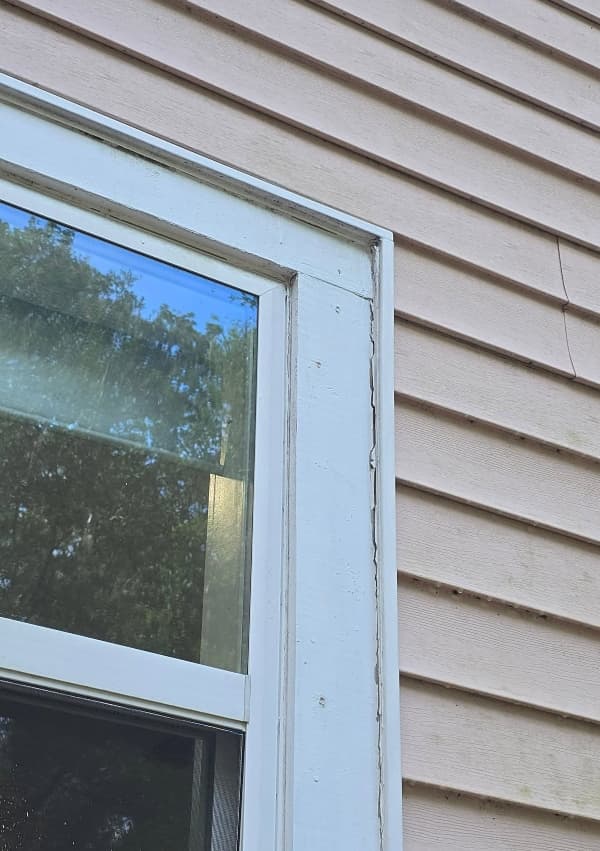
Window leaks can allow water to enter your home, causing moisture damage, mold growth, and structural concerns. Orlando Leak Detection provides professional window leak detection to identify the source of water intrusion and recommend effective solutions. Our team uses advanced tools to locate hidden leaks and help protect your property.
Plumbing Leak Detection
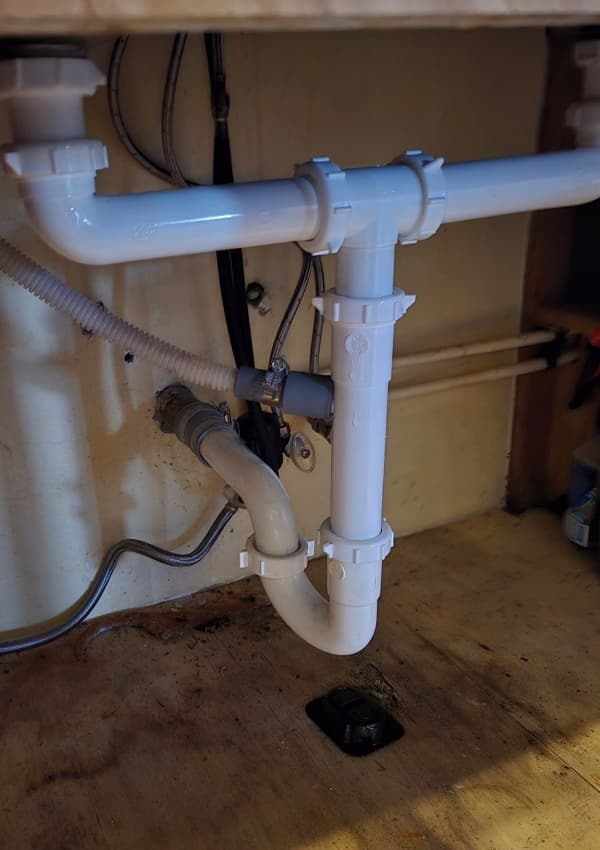
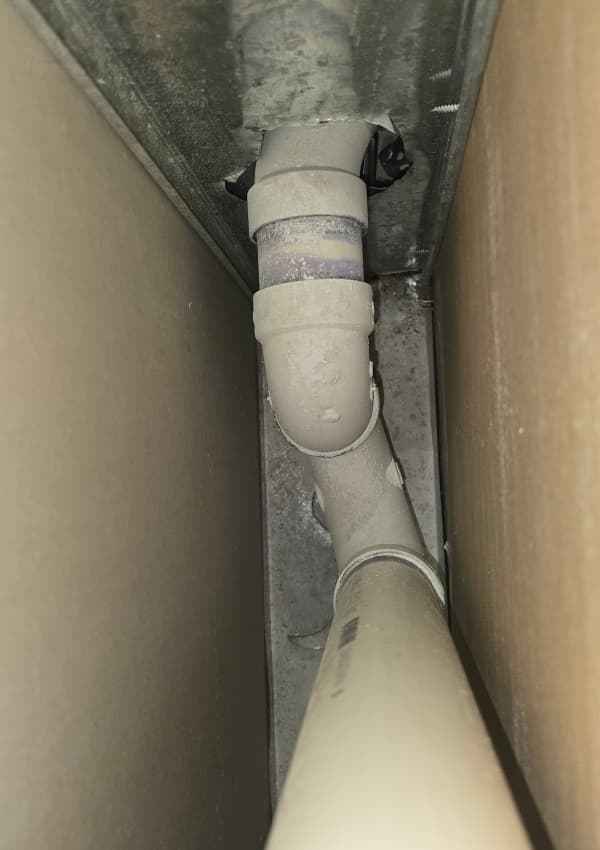
Hidden plumbing leaks can waste water and create costly damage if left untreated. Orlando Leak Detection offers plumbing leak detection services to locate leaks behind walls, beneath floors, and within plumbing systems. Our experienced technicians use reliable methods to find problems quickly and provide accurate recommendations for repairs.
Roof Leak Detection
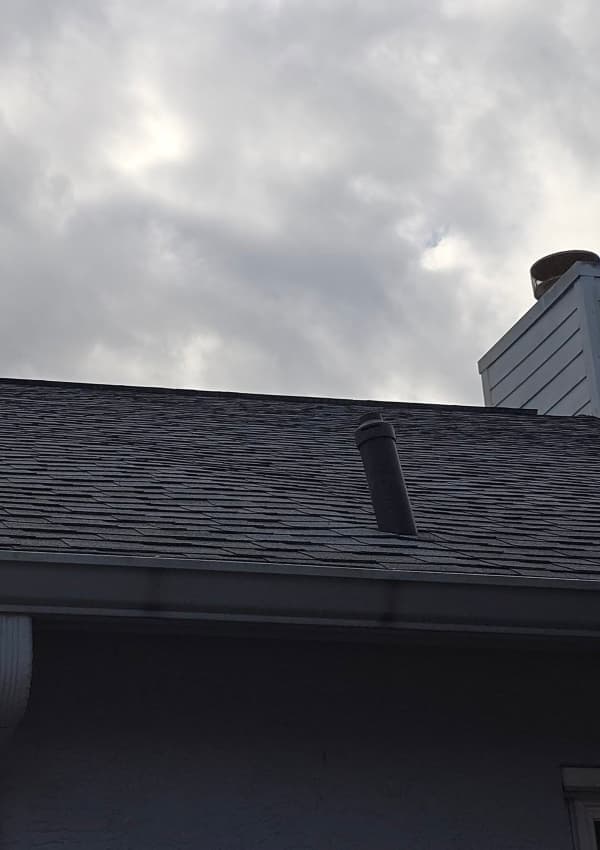
Roof leaks can lead to water damage, damaged insulation, and interior repairs if they are not addressed quickly. Orlando Leak Detection provides roof leak detection services to identify areas where moisture may be entering your property. We carefully inspect roofing systems to help locate leaks and prevent further damage.
Gas Leak Detection
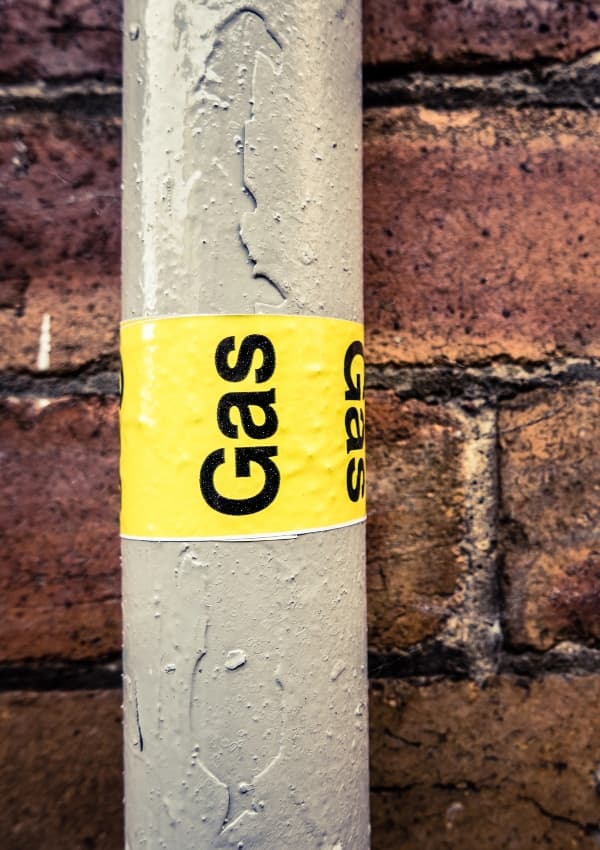
Gas leaks require immediate attention to help protect your home, business, and everyone inside. Orlando Leak Detection provides professional gas leak detection services to identify potential issues and help maintain a safer environment. Our technicians use careful inspection methods to locate concerns and provide dependable recommendations when problems are discovered.
Complete Services
Thermal Imaging
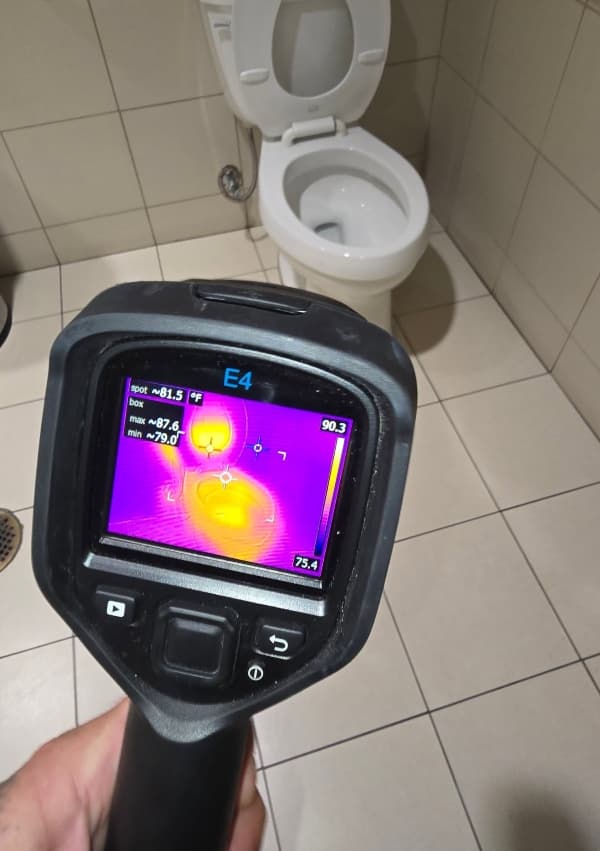
Thermal imaging is an advanced technology used to identify temperature differences that may indicate hidden moisture or leaks. Orlando Leak Detection uses thermal imaging as part of our inspection process to locate problem areas without unnecessary damage. This non-invasive method helps improve accuracy when detecting hidden water issues.
Sewer Camera Inspection
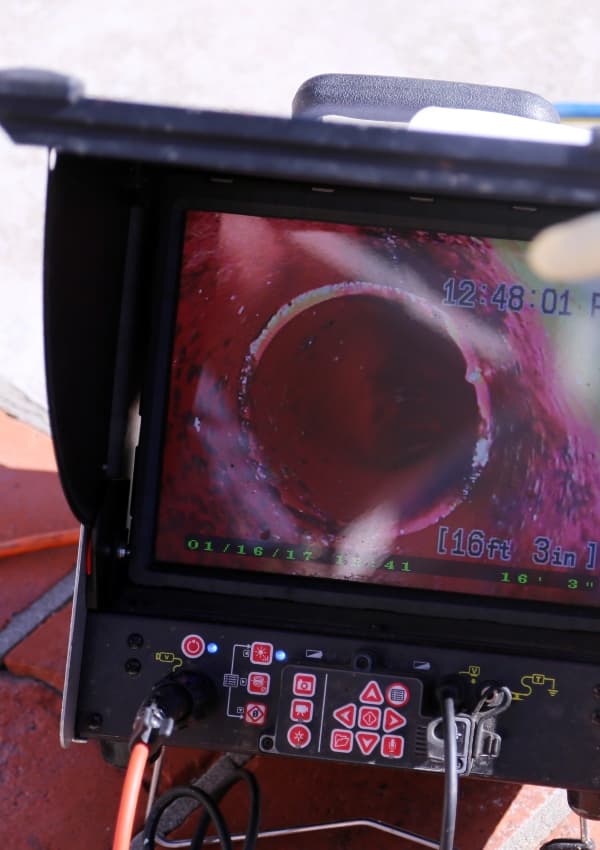
Sewer camera inspection allows technicians to view inside underground pipes and identify blockages, damage, or other issues. Orlando Leak Detection uses specialized camera equipment to inspect sewer lines and provide clear information about their condition. This technology helps determine the right solution while reducing unnecessary digging or disruption.
Hydro Jetting
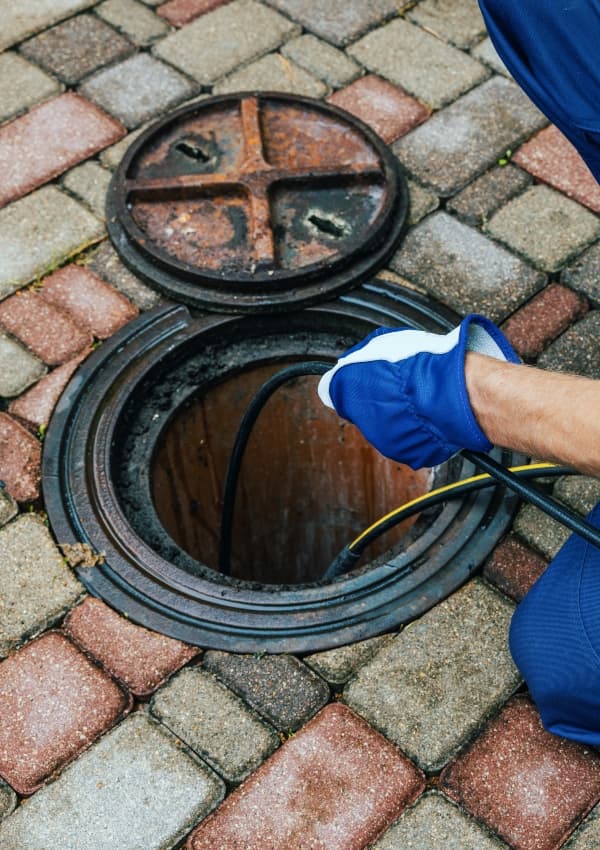
Hydro jetting is a powerful cleaning method that uses high-pressure water to remove buildup, debris, and stubborn blockages from pipes. Orlando Leak Detection provides hydro jetting services to help improve drainage and maintain plumbing system performance. This effective solution can help restore flow and prevent recurring plumbing issues.
Mold Detection
Hidden leaks often create moisture conditions that encourage mold growth. Orlando Leak Detection provides mold detection services to help identify areas where mold may be developing due to water intrusion. Our team carefully evaluates potential problem areas and helps customers understand the next steps needed to protect their property.
How Can We Help?
Need Leak Detection Fast?
Call Orlando's Trusted Experts 24/7