
How Slab Leaks Affect Older Orlando Homes
Why Slab Leaks Are More Common in Older Orlando Homes and How Early Detection Saves Money
Older homes across Orlando tell a story. Many were built slab-on-grade, often with copper or galvanized water lines buried under concrete. When those lines weaken, water escapes into the foundation. That is why homeowners ask about slab leak detection so often. If you live in a mid-century ranch in College Park, a 1970s block home in Pine Hills, or a cozy bungalow near Conway, catching a leak early protects floors, cabinets, and the foundation before small problems turn into big repairs.
In simple terms, a slab leak is water escaping from pressurized lines beneath your concrete floor. It can be slow and silent, or it can run fast enough to warm a tile, soak carpet, or spike your bill. With Orlando's heat, humidity, and summer storms, moisture spreads quickly once it finds a path. The sooner a trained specialist pinpoints the source, the less demolition is needed and the sooner your home gets back to normal.
Why Slab Leaks Are Common In Older Orlando Homes
Homes built decades ago used materials and methods that made sense at the time. Over years of service, those same choices can become weak points. In Central Florida's climate, expansion and contraction take a toll on concrete and piping. Add in heavy rain events and shallow soils, and buried lines can shift just enough to rub against rough concrete or develop tiny pinholes.
- Pipe materials: Older copper and galvanized steel can pit or corrode, especially at joints and bends.
- Soil movement: Saturated sandy soils after summer storms can settle and cause stress on lines.
- Thermal cycling: Hot water lines expand and contract, wearing at contact points under the slab.
- Water chemistry: Long-term exposure to treated municipal water can contribute to pinhole corrosion.
- Construction practices: Lines laid against rough concrete or with tight bends are more likely to wear.
Neighborhoods with mature trees can see roots seeking moisture around the foundation. Roots do not usually pierce pressurized lines, but they change soil conditions and hold moisture close to the slab. Over time, that environment hides slow leaks and makes them harder to spot early without testing.
Early Warning Signs Homeowners Notice
Most slab leaks are not obvious right away. Watch for small clues that do not fit your daily routine. A steady rise in the water bill, a faint sound of running water at night, or a warm patch on a tile floor can be the first hint of trouble. Do not ignore a hot patch on the floor or a musty odor that returns after cleaning. These signs often point to moisture trapped under flooring.
- Unusual increase in water usage when habits have not changed
- Warm spots underfoot on tile or wood, often along hallways or kitchens
- Persistent musty smells near baseboards or behind cabinets
- Hairline cracks in grout or slab that appear without clear cause
- Sounds of water movement when fixtures are off
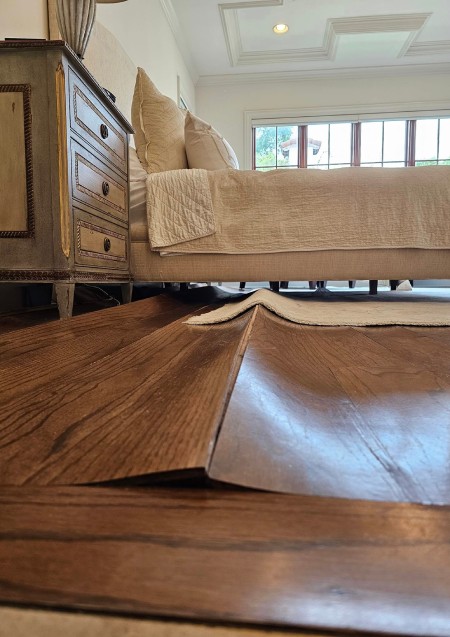
- Areas of cupping or warping in hardwood or laminate flooring
In Orlando's humidity, moisture under floors can feed mold growth faster than you might expect. If a leak warms the slab, evaporation picks up and moisture can move through grout lines or into the air, which is why some rooms feel damp even with air conditioning running.
What Happens When You Wait
Delaying a diagnosis invites more damage. Water always follows the easiest path. Under a slab, that path can lead to framing, cabinets, and wall cavities. As moisture spreads, flooring adhesives break down and wood swells. Grout lines loosen. Over time, soil may wash away from pockets beneath the slab, leading to uneven settling and more cracks.
Waiting also adds cost you do not see right away. Utility bills climb, but hidden repairs add up too. Cabinets absorb moisture from below, toe-kicks swell, and finishes bubble. Orlando's warm climate speeds that process, especially during the rainy season. What could have been a small, precise repair can turn into a large-scale flooring replacement if the leak is allowed to run for weeks.
There is also the disruption factor. Drying a home after a long-running leak takes longer. Equipment runs for days. Spaces are off-limits. When a pro isolates the problem quickly, the repair area stays small and daily life returns to normal sooner.
Why Professional Leak Detection Is Safer Than Breaking Concrete
It is tempting to start cutting where the floor feels warm. That is risky. Avoid tearing up floors before proper testing confirms the source. Professional leak detection in Orlando uses non-invasive tools to triangulate the leak so only the necessary area is opened, or a reroute is planned if opening the slab is not the best option.
Here is how trained specialists narrow it down without guesswork:
Acoustic listening helps locate the sound signature of pressurized water escaping the pipe. Technicians compare readings around the room to find the strongest point. Thermal imaging then maps heat patterns to confirm whether a hot water line is the culprit. Moisture meters and salt testing trace how far water has traveled, which is helpful when finishes hide the true wet area.
Pressure testing isolates each line so the exact run that is losing pressure can be identified. In some cases, tracer gas helps pinpoint air movement from a pinhole. These methods work together to define a small target. Only then does a repair strategy make sense, either through a precise spot repair or a clean reroute that avoids taking up large sections of flooring.
When you are ready to book testing, start with focused slab leak detection to avoid unnecessary demolition and keep the repair area as small as possible.
Orlando's rainy season can mask a hidden slab leak because storm moisture hides new wet spots. Scheduling detection before peak storms helps protect wood floors and cabinets. A quick test now often prevents weeks of drying later.
How Early Detection Saves Money In Orlando
Finding a leak early shrinks the repair footprint. Smaller openings mean less time for restoration and less disruption to your home. It also limits secondary damage, which is often the most expensive part of a water event. In older Orlando homes, finishes like terrazzo, vintage tile, or engineered wood can be protected when the source is found quickly.
Early detection also helps with planning. If a line under the kitchen is leaking, a pro can compare the cost and impact of a spot repair versus a reroute through walls or attic spaces. In many cases, a strategic reroute keeps your flooring intact. Planning options are only possible when the leak's location is known with confidence.
Finally, early action curbs ongoing losses. Even a slow drip adds up month after month. Small leaks rarely stay small. Pressure changes, temperature shifts, and vibration from normal use can turn a pinhole into a steady flow. Stopping that progression is where homeowners see the biggest savings.
Orlando-Specific Factors To Keep In Mind
Central Florida homes deal with a mix of heat, humidity, and heavy rain. Those conditions influence how a slab leak shows up and how a repair is planned. For example, tile set over concrete can hide moisture for longer than wood, but grout joints often show faint staining around high-traffic lines such as kitchen routes. In neighborhoods like Azalea Park or Belle Isle, many homes have additions where newer slabs meet older ones. Those joints can become weak points that let moisture track in unusual patterns.
Another local factor is the high use of tile over concrete. Tile can transmit warmth from a hot water leak more clearly than carpet, so a single warm tile can be your first early clue. Keep notes on where you feel the warmth. That detail speeds up testing and reduces the time technicians spend tracing the run.
What To Expect During A Professional Visit
The process is straightforward. A specialist will ask about your observations and review where you have noticed changes. Testing begins with confirming whether the leak is on the hot or cold side, then isolating the affected branch. Acoustic and thermal tools map the likely point. If a reroute is better than opening the slab, the technician will explain paths and how to minimize impact on finishes.
You will also get a clear next step. Some homeowners choose a same-day repair if access is simple. Others schedule a reroute to keep floors intact. Either way, the goal is the same: a precise fix and a clean handoff to any needed restoration.
How To Choose The Right Orlando Leak Detection Partner
Look for a team that focuses on detection first, not demolition. Ask what tools they use and how they confirm a leak's location before opening anything. A good provider will explain testing in plain language and outline more than one repair path when possible. Read recent local reviews and check that they have deep experience with slab-on-grade homes common across Orlando.
You can always start by reviewing slab leak detection in Orlando on our home page to understand the overall process and what to expect during a visit.
When You Should Call
If your bill jumps for no clear reason, you hear water movement with fixtures off, or the floor feels warm in a line from the water heater to a bathroom, it is time to schedule testing. If you suspect a leak, shut off unnecessary fixtures and call a specialist before making any openings. That single choice often prevents opening the wrong area and keeps your project simple.
Whether you are in Winter Park, near the Milk District, or south toward Conway, a quick conversation with a detection pro can help decide the right next step for your home and timeline.
Protect Your Orlando Home With Early, Precise Detection
Water under the slab does not fix itself. The safest path is a focused test that targets the source and limits disruption. Starting with professional detection gives you options, from a small spot repair to a planned reroute that preserves finishes. For many Orlando homeowners, that is the difference between a tidy repair and weeks of restoration work.
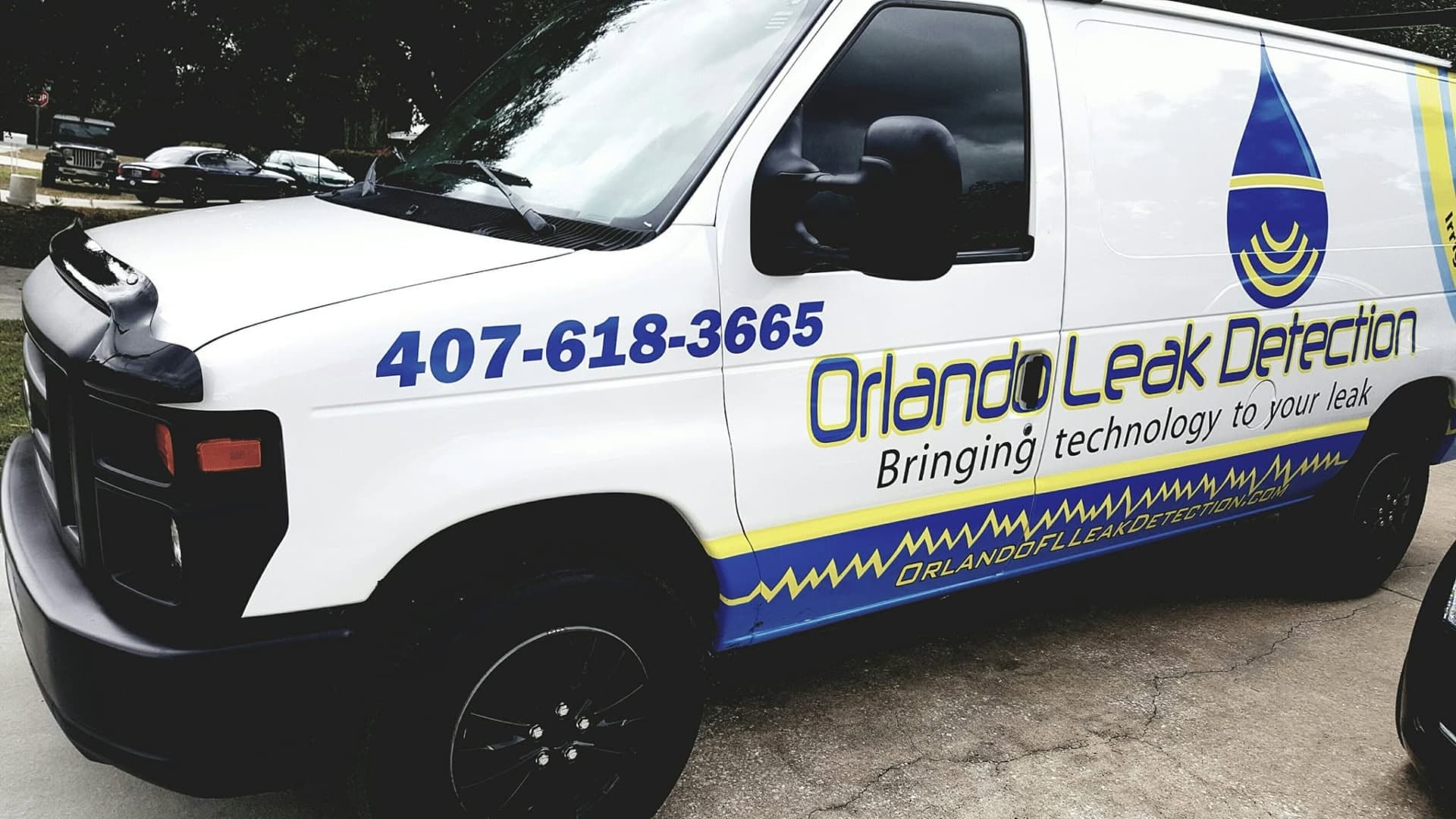
Schedule professional slab leak detection with Orlando Leak Detection today at 407-618-3665. A quick visit can confirm the issue and map the least invasive fix for your home.
Leak Detection Services

Window Leak Detection
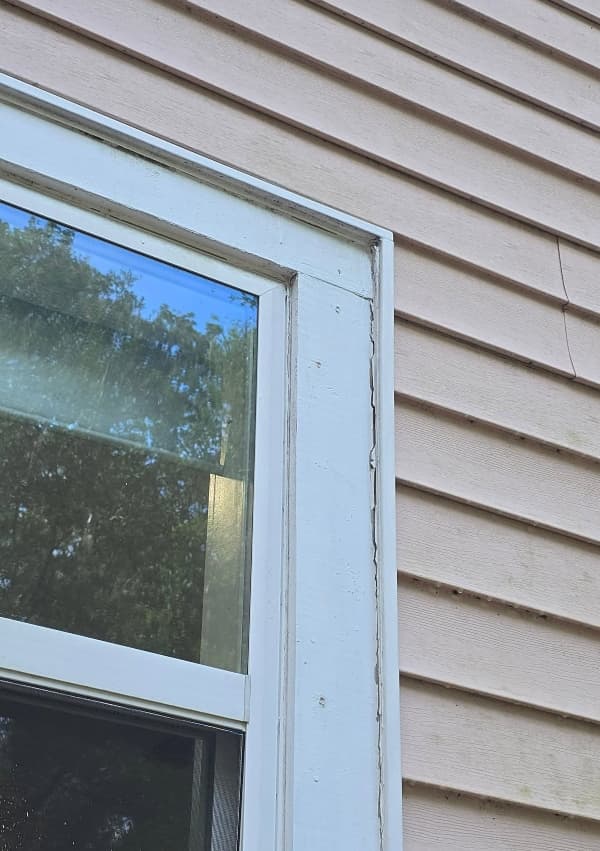
Window leaks can allow water to enter your home, causing moisture damage, mold growth, and structural concerns. Orlando Leak Detection provides professional window leak detection to identify the source of water intrusion and recommend effective solutions. Our team uses advanced tools to locate hidden leaks and help protect your property.
Plumbing Leak Detection
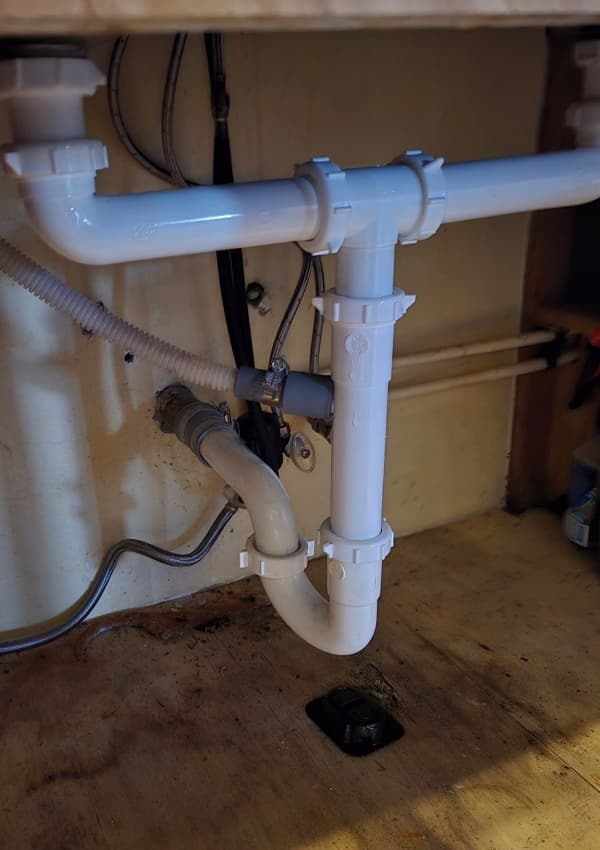
Hidden plumbing leaks can waste water and create costly damage if left untreated. Orlando Leak Detection offers plumbing leak detection services to locate leaks behind walls, beneath floors, and within plumbing systems. Our experienced technicians use reliable methods to find problems quickly and provide accurate recommendations for repairs.
Roof Leak Detection
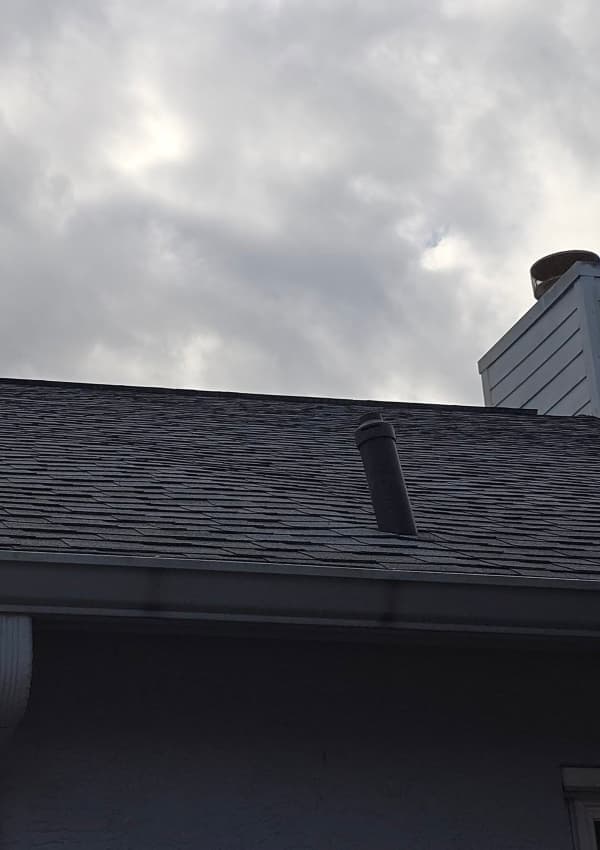
Roof leaks can lead to water damage, damaged insulation, and interior repairs if they are not addressed quickly. Orlando Leak Detection provides roof leak detection services to identify areas where moisture may be entering your property. We carefully inspect roofing systems to help locate leaks and prevent further damage.
Gas Leak Detection
Gas leaks require immediate attention to help protect your home, business, and everyone inside. Orlando Leak Detection provides professional gas leak detection services to identify potential issues and help maintain a safer environment. Our technicians use careful inspection methods to locate concerns and provide dependable recommendations when problems are discovered.

Complete Services
Thermal Imaging
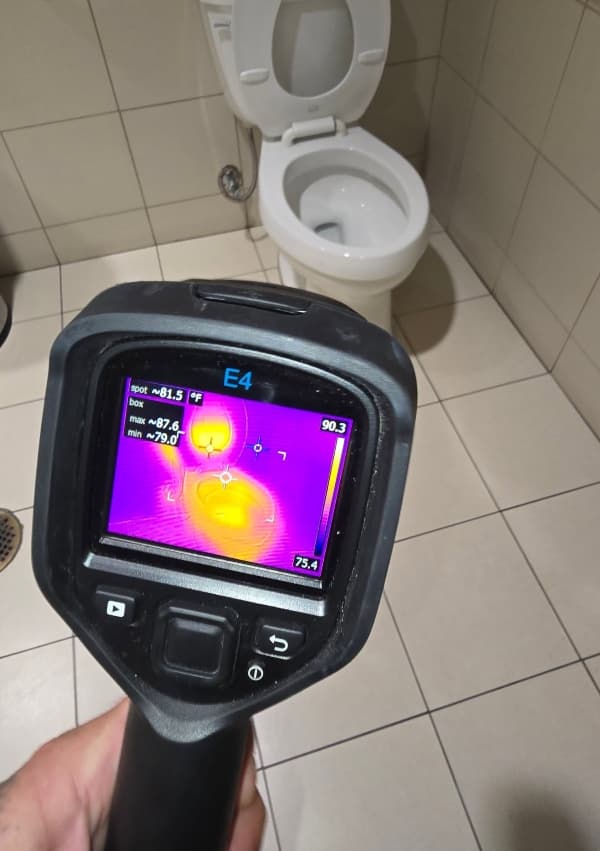
Thermal imaging is an advanced technology used to identify temperature differences that may indicate hidden moisture or leaks. Orlando Leak Detection uses thermal imaging as part of our inspection process to locate problem areas without unnecessary damage. This non-invasive method helps improve accuracy when detecting hidden water issues.
Sewer Camera Inspection
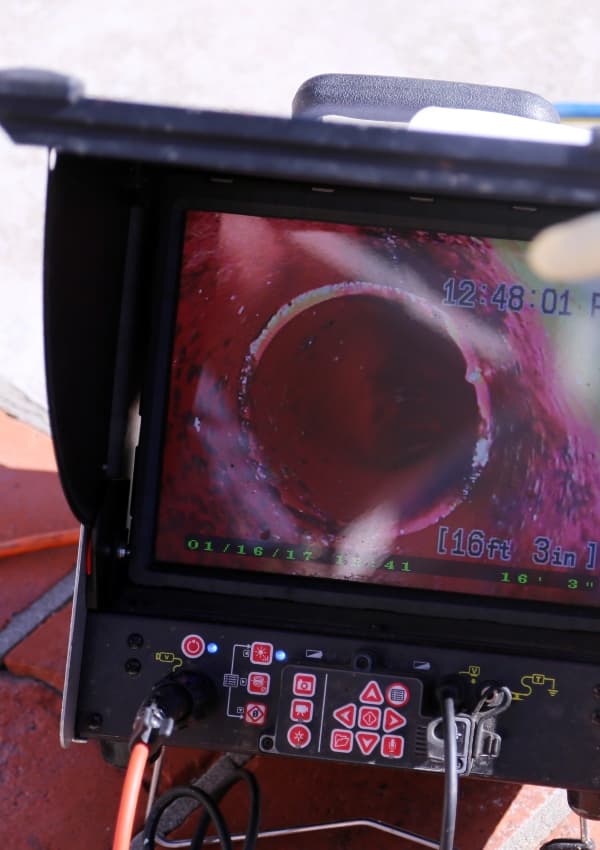
Sewer camera inspection allows technicians to view inside underground pipes and identify blockages, damage, or other issues. Orlando Leak Detection uses specialized camera equipment to inspect sewer lines and provide clear information about their condition. This technology helps determine the right solution while reducing unnecessary digging or disruption.
Hydro Jetting
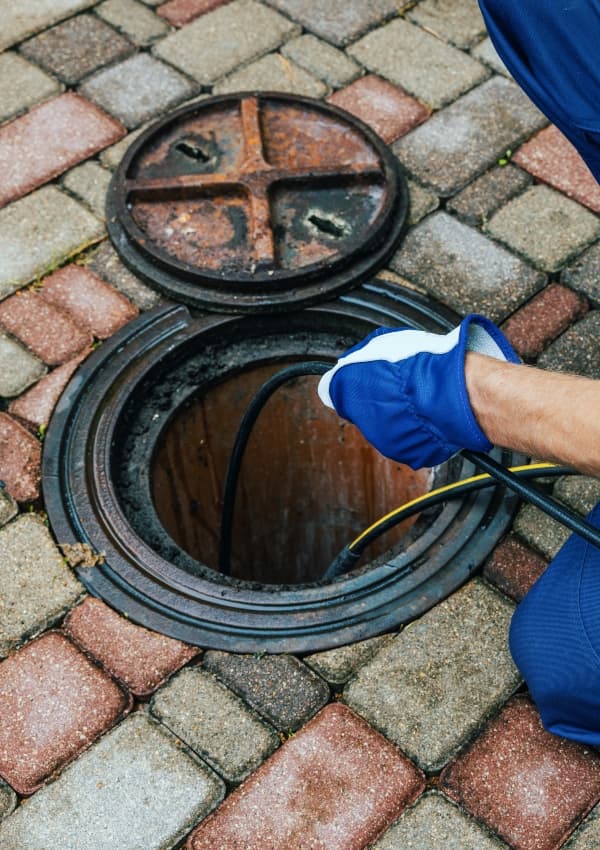
Hydro jetting is a powerful cleaning method that uses high-pressure water to remove buildup, debris, and stubborn blockages from pipes. Orlando Leak Detection provides hydro jetting services to help improve drainage and maintain plumbing system performance. This effective solution can help restore flow and prevent recurring plumbing issues.
Mold Detection
Hidden leaks often create moisture conditions that encourage mold growth. Orlando Leak Detection provides mold detection services to help identify areas where mold may be developing due to water intrusion. Our team carefully evaluates potential problem areas and helps customers understand the next steps needed to protect their property.
How Can We Help?
Need Leak Detection Fast?
Call Orlando's Trusted Experts 24/7